
The Role of Ergonomics in Designing a Functional Kitchen
When it comes to designing a functional kitchen, it’s easy to focus on aesthetics and forget about the importance of ergonomics. However, ergonomics plays a crucial role in creating a kitchen that not only looks great, but also functions efficiently. In this article, we’ll discuss the role of ergonomics in designing a functional kitchen and how you can apply it to your own kitchen design. From proper placement of appliances to the use of ergonomic materials, we’ll cover everything you need to know to create a kitchen that is both practical and visually pleasing.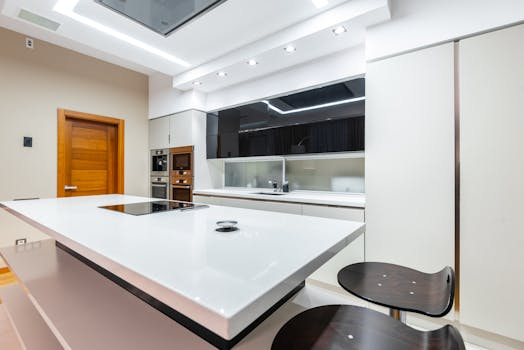
The Basics of Ergonomics
Before we delve into the role of ergonomics in kitchen design, let’s first understand what ergonomics actually means. In simple terms, ergonomics is the study of designing products, systems, and environments that are easy to use, efficient, and comfortable for people to work in. In the context of kitchen design, it means creating a space that is tailored to the needs of the user, taking into account their physical abilities and limitations.
The Impact of Poorly Designed Kitchens
Without incorporating proper ergonomics, a kitchen can quickly become a frustrating and even dangerous place to work in. Poorly designed kitchens can lead to injuries, such as strains and sprains from repetitive movements, as well as accidents caused by overcrowding or poor placement of appliances. Not to mention, an uncomfortable and inefficient kitchen can also negatively impact your overall cooking experience.
Efficient Layout and Workflow
One of the key aspects of ergonomics in kitchen design is creating an efficient layout that maximizes the workflow. This means placing the main work areas, such as the sink, stove, and refrigerator, in a triangular formation for easy access. It’s also important to consider the placement of cabinets and drawers, so items can be easily reached without bending or stretching, and to leave enough floor space for movement.
Appliances and Their Placement
When it comes to appliances, it’s not just about choosing ones that are visually appealing, but also ones that are ergonomically designed. For instance, a dishwasher that is positioned at a height that requires bending down can cause strain on the back. Opting for a dishwasher with a top-loading feature can help eliminate this issue.
The same goes for refrigerators, ovens, and microwaves. Make sure they are placed at a height that is comfortable for the user to access. If you have multiple people in the household, consider the different heights and abilities of each individual when deciding on the placement of appliances.
The Right Materials
In addition to proper layout and appliance placement, choosing the right materials can also have a significant impact on the ergonomics of a kitchen. For example, using non-slip flooring can prevent accidents, while installing countertops at a comfortable height can eliminate strain on the back and arms. When selecting kitchen cabinets, consider features such as easy-to-reach handles and pull-out shelves for better accessibility.
Lighting and Ventilation
Lighting and ventilation may not seem like they have much to do with ergonomics, but they play a crucial role in creating a functional kitchen. Good lighting in the kitchen is important for visibility and safety, while proper ventilation helps to keep the space free from steam, smoke, and cooking odors. In addition, natural light can provide a more inviting and stimulating environment to work in.
Conclusion
In conclusion, ergonomics should not be overlooked when designing a functional kitchen. By considering factors such as layout, appliance placement, materials, lighting, and ventilation, you can create a kitchen that not only looks great, but also functions efficiently and comfortably. Remember, the key is to tailor the design to the user, so don’t be afraid to think outside the box and make personalized adjustments to suit your specific needs.