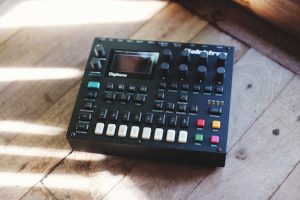
The Benefits of Choosing Open-Source Music Production Software
In today’s digital age, the music production industry has seen a significant increase in the use of open-source software. Gone are the days of spending thousands of dollars on expensive music production software. Thanks to advancements in technology, musicians and producers now have access to affordable, if not free, open-source music production software. In this article, we will delve into the benefits of choosing open-source music production software and why it may be the best option for your next music project.
What is Open-Source Music Production Software?
Firstly, let’s define what open-source music production software is. Simply put, it is software that allows users to access, modify and distribute the source code freely. This means that developers and users have the freedom to use, change, and even share the software without any restrictions.
Cost-effective Solution
One of the most significant advantages of open-source music production software is cost-effectiveness. Unlike proprietary software, open-source software is free to download and use. This is a game-changer for independent artists, small studios, and producers on a budget. With open-source software, you no longer have to break the bank to purchase high-end music production software. Additionally, updates and bug fixes are also free, saving you even more money in the long run.
Customization and Flexibility
Open-source music production software is highly customizable, allowing for a more tailored production experience. Developers have the freedom to modify the software according to their needs, adding features and functionalities that are not available in proprietary software. This level of customization is especially beneficial for musicians and producers who have specific production techniques or workflows.
Moreover, open-source software is not limited to a specific platform or operating system. This means that whether you are using a Windows, Mac, or Linux computer, you can still access and use the software without any compatibility issues. This level of flexibility allows for a more seamless collaboration between artists and producers using different systems.
Community Support and Collaboration
Another significant advantage of using open-source music production software is the thriving community of users and developers behind it. This community provides excellent support, whether it is for troubleshooting technical issues or sharing tips and tricks on using the software. Furthermore, it encourages collaboration between artists and producers, creating a hub for creativity and innovation.
Notable Open-Source Music Production Software
Ardour
Ardour is a free, open-source, cross-platform digital audio workstation (DAW) that is suitable for recording, editing, and mixing music. It has a user-friendly interface and comprehensive features, making it an excellent alternative to popular proprietary DAWs like Logic Pro and Pro Tools.
Audacity
Audacity is another widely used open-source audio editor and recorder. It is perfect for simple editing tasks such as trimming, copying, and pasting audio files. It also has a variety of effects and plug-ins, making it a handy tool for music production.
LMMS
LMMS (Linux MultiMedia Studio) is a free, open-source, cross-platform music production software that is perfect for electronic music production. It offers features such as MIDI support, multi-track audio editing, and a variety of built-in effects and instruments.
In Conclusion
In the past, music production software was a costly investment that only established musicians and studios could afford. However, with the rise of open-source music production software, anyone can now access and use high-quality production tools without burning a hole in their wallet. The benefits of choosing open-source music production software are numerous, from cost-effectiveness and flexibility to community support and customization. So why not give it a try and see how it can elevate your music production experience?